



Can animals get into my HVAC system, and what damage can that cause?
- Posted by gordonb
- On December 19, 2022
- 0 Comments
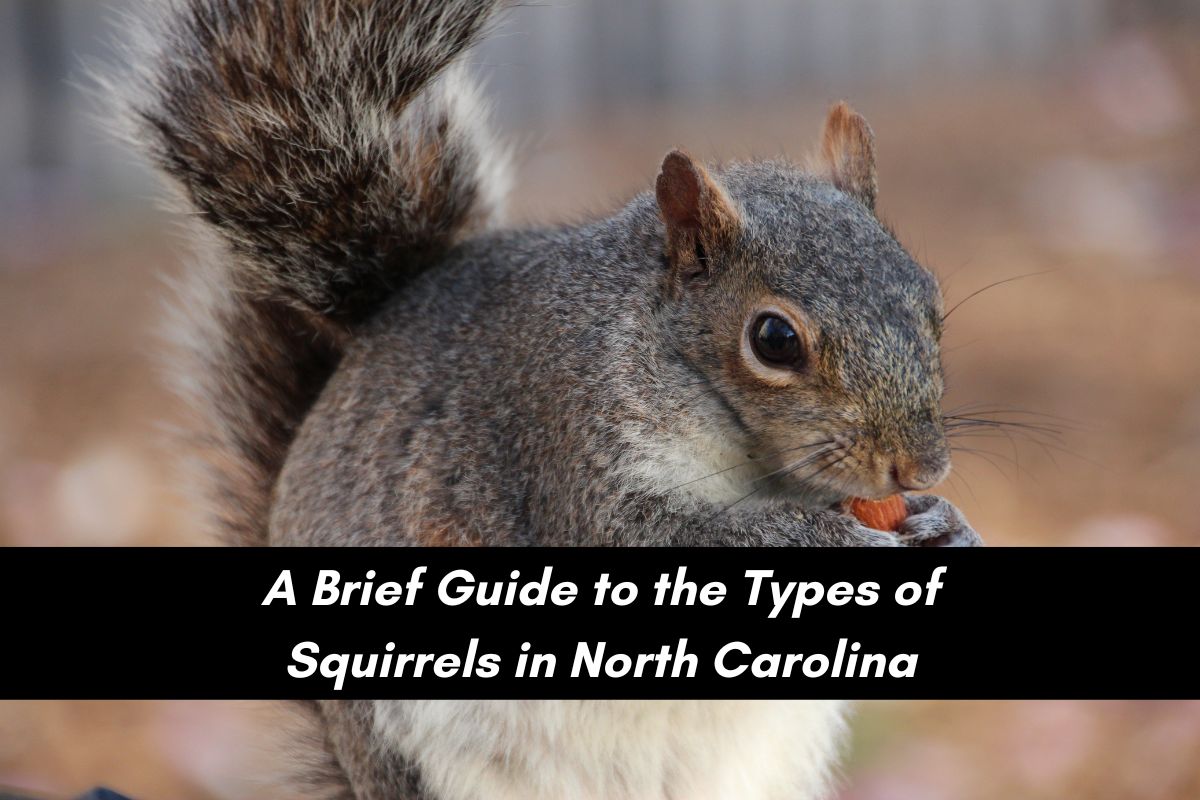
Heating, venting, and air conditioning systems (more commonly known as HVAC) are prevalent everywhere in homes across the United States. They control temperature, humidity, and air quality in an enclosed space. Small critters are liable to enter through openings or by damaging the exterior to enter on their own. Mice, rats, squirrels, chipmunks, cats, opossums, and raccoons can all chew wires and leave droppings inside their temporary homes.
How Do Animals Get Into Air Ducts?
Vermin and pests usually sneak into little openings or gaps in the vents of the ductwork. These little openings or gaps often go unnoticed by homeowners. Poorly sealed vents, damaged grates, or even gaps where pipes or wires enter your home are possible entry points small animals and pests need to sneak inside the HVAC ductwork.
The ducts themselves are bigger than you might think, so animals have little issue meandering through them. Most homes have ducts that are about 6–12 inches in diameter, although they might be a little bigger or smaller based on the specifics of your home.
Once inside, they’ll explore to their hearts’ content, often meandering along the channel in search of food, water, or the perfect nesting place. For most critters, that’s the appeal. They might catch a whiff of food or water, climbing in to find sustenance. Or, they might be looking for shelter and protection from predators, and since the ducts in your home offer both, they’ll happily take up residence there.
Identifying Signs of Animals in Your Air Ducts
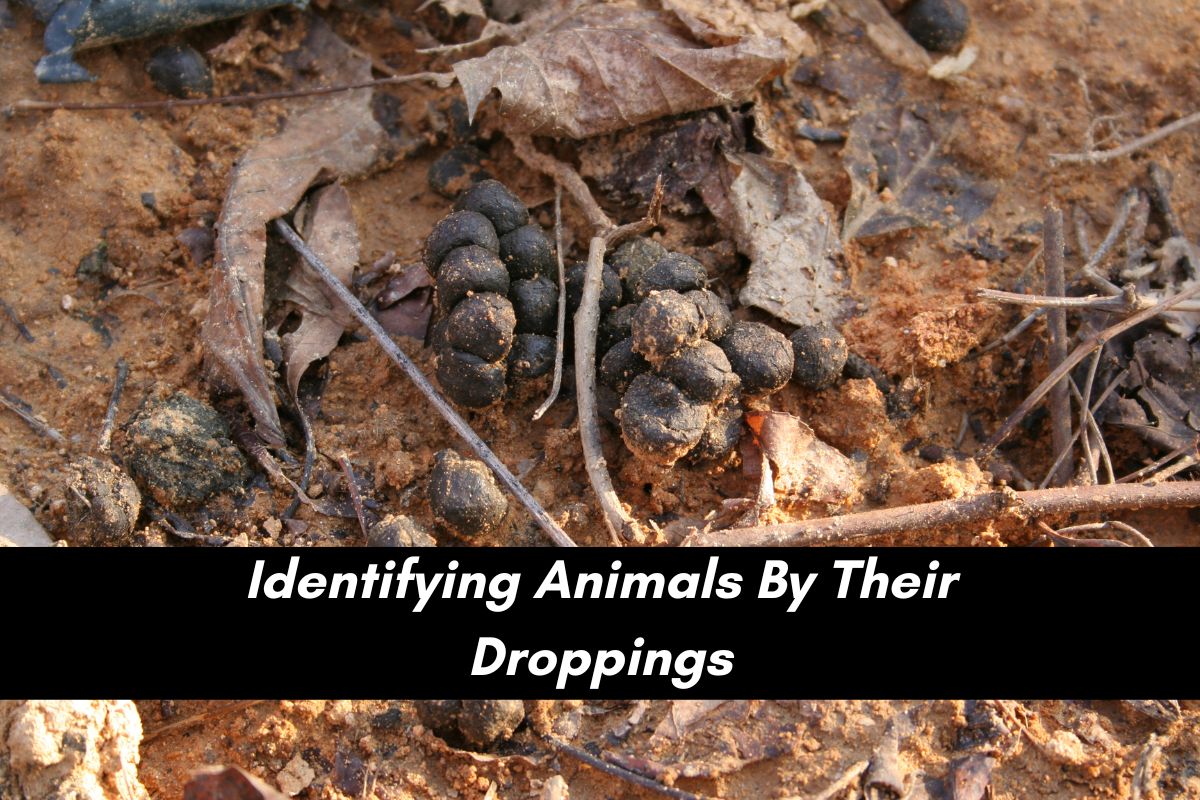
Recognizing animals in your HVAC unit is the first step in solving the issue. Foul odors emanate from droppings, nests, or even a dead animal. Also, if you hear noises that could be a critter scurrying around the unit. Holes or spotty patchwork on a unit can allow entry for small animals. In order to prevent entry by these creatures check your home for easy access points. If there are holes in the foundation make sure to seal them. If the ducts have issues be sure to repair them. Lastly, check your dryer exhaust vent for any animals.
Dangers of Animals in Your HVAC System
If a raccoon or rat tears apart the ductwork the HVAC unit is then compromised. The hot and cool air is liable to escape to any part of a crawlspace or attic. Opossums are excellent climbers and are adept at crawling into insulation. Pest droppings that permeate the air can cause allergies and asthma for those breathing in the toxic air. In addition, the HVAC unit will not operate at full efficiency if parts of it are not functioning. This costs the homeowner efficiency and then money in repairs. In summation, the answer is a definitive yes as to whether animals can enter your HVAC system. The damage caused will not be extensive but can be corrosive if left unattended.
How to Get Rid of Animals in Air Ducts in Raleigh
Getting rid of animals in your air ducts isn’t a DIY job and contains intricacies most HVAC technicians are not trained for. These areas are often hard to access, and the nuisance wildlife inside them can become aggressive when they feel threatened. Plus, removing them is usually only a temporary fix. Eventually, they’ll probably make their way back into the ducts.
So, how do you get rid of animals in air ducts? Call the professional wildlife and pest control service, Critter Control. Our local technicians have the experience and equipment necessary to safely and humanely remove uninvited pests.
After removing the nuisance wildlife, we’ll take a closer look at your home to determine how they got in and fix the problem to prevent future infestations. This might involve various exclusion tactics, such as sealing off entry points where they likely sneaked in the first time. We’ll apply disinfectant and deodorize the area after removal, ensuring we’ve removed all contaminants from the ductwork.